
Inside the Nordic Giant: Exploring Prioritet Serneke Arena

Prioritet Serneke Arena Stands as a Landmark of Modern Sports in Gothenburg

Prioritet Serneke Arena, located in eastern Gothenburg’s Kviberg Park, is the largest multi-sport facility in the Nordic region. This seven-story structure combines high-performance athletic spaces with public fitness access, making it both a training hub and a community resource.

From the outside, the arena’s angular design reflects its focus on efficiency and scale. Inside, the layout supports nonstop movement across multiple sports and user groups. Whether hosting athletes, students, or business travelers, the arena functions with purpose-built flow from floor to floor.

The Indoor Ski Tunnel Defines the Arena’s Innovation

A key feature of the arena is its indoor ski tunnel, which stretches 1.2 kilometers. Designed for year-round use, it allows cross-country skiers to train regardless of season or weather. The climate-controlled space maintains consistent snow quality, ensuring reliable training conditions even in summer.

A skier beginning their session moves through a structured entry point, equipped with lockers, waxing stations, and warm-up zones. The tunnel mimics real trail conditions, with inclines, curves, and flat sections that prepare users for competition or long-distance events.

Full-Size Football Pitch Brings the Game Indoors

The arena’s indoor football field matches standard dimensions, providing space for team practices, matches, and youth training programs. Synthetic turf covers the surface, built to reduce injury risk and support continuous play.

Players enter directly from changing rooms, and the field features proper lighting, temperature control, and spectator seating. This design allows teams to schedule matches without needing to plan around Sweden’s cold or unpredictable weather patterns.

Fitness Center Supports Daily Training and Recovery

Located on one of the upper floors, the fitness center caters to a wide range of users, from elite athletes to casual gym-goers. It includes resistance training machines, free weights, cardio equipment, and recovery areas such as saunas and stretching zones.

Visitors scan in through an automated entry, access training logs via integrated systems, and move through workout circuits supported by on-site trainers. The space balances high-capacity functionality with personalized routines to serve individuals and sports teams alike.

Conference Spaces Align Business With Wellness

Inside the arena, conference rooms and meeting spaces allow for business gatherings, workshops, and hybrid events. Equipped with audio-visual systems and high-speed connectivity, the rooms support corporate use without separating attendees from the venue’s active atmosphere.

A realistic weekday scenario may involve a team of professionals meeting in a third-floor room with views of the pitch below. During breaks, they access the arena’s café or gym, blending productivity with physical activity. This design removes the gap between business travel and wellness.

Hotel Access Enhances the Arena Experience

Connected to the arena is the Kviberg Park Hotel & Conference, offering accommodation directly within the sports complex. Guests check into rooms designed for recovery, with quiet zones, blackout curtains, and immediate access to the gym, ski tunnel, and football pitch.

This setup benefits athletes attending multi-day tournaments, business guests using the conference facilities, or tourists seeking a unique stay. The hotel also includes a restaurant offering balanced meals tailored to physical performance and recovery.

Sports Clinics and Rehab Services Build Athlete Support

The arena includes medical and sports rehab services focused on injury prevention, recovery, and physical therapy. These clinics operate in partnership with professional teams and are also available to the public.

An injured player, for instance, can receive treatment, follow a custom rehabilitation plan, and continue light training in the same building—all under guidance from licensed professionals. This holistic approach reduces time away from sport and supports long-term performance goals.

Youth Programs and Schools Use the Arena Year-Round

Several schools and youth programs use Prioritet Serneke Arena as a regular part of their curriculum. The structure includes classrooms and lecture spaces alongside athletic zones, making it ideal for sport-focused academic paths.

Each day, students rotate between academic lessons and physical training without needing to leave the building. The space is designed to support long-term development in both education and athletics, creating pathways for future careers in health, fitness, or professional sport.

Sustainable Design Reflects Long-Term Planning

Sustainability plays a key role in the arena’s design. Energy-efficient systems regulate lighting, temperature, and water usage across all seven floors. Solar panels, smart ventilation, and locally sourced materials support the facility’s low environmental footprint.

Routine operations, such as snow production in the ski tunnel or pitch maintenance, follow strict efficiency guidelines. Visitors can see these systems in action, with signage and digital boards explaining how the arena manages its environmental impact.

Prioritet Serneke Arena Sets a Standard for Multi-Use Sports Hubs

Prioritet Serneke Arena is more than a building. It’s a multi-layered hub where sports, education, business, and community life intersect. Its scale allows for parallel activity—elite competition on one level, school groups training on another, and conferences taking place upstairs.

This constant movement reflects the arena’s purpose: to serve as a central location where individuals and groups can access world-class facilities in one integrated space. It sets a model for future multi-use sports complexes across Europe and beyond.
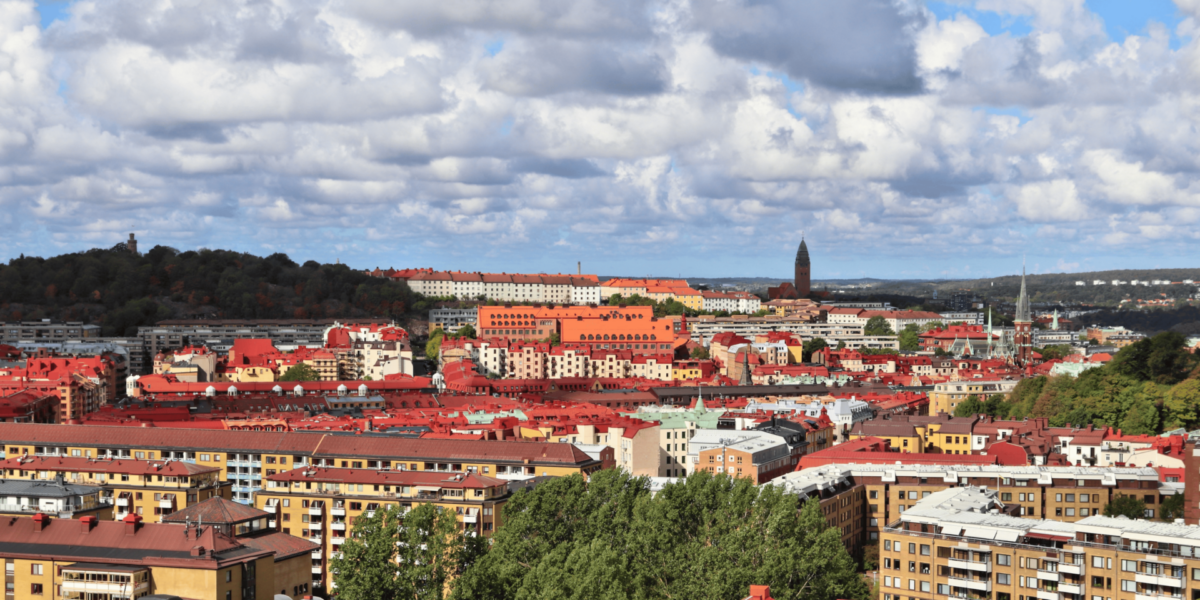
How Architecture Shapes Experience in a Sport-Centered District

In a sport-centered district, architecture does more than frame buildings—it creates the rhythm, flow, and energy of daily life. Every design decision, from pathways to facades, shapes how people move, gather, and experience the space around them.

Architecture Guides Movement Across Public Space

In active districts built around sport, architecture plays a key role in directing movement. Walkways, open sightlines, and building placement work together to guide people from one activity zone to another without interruption or confusion.

A person arrives in the district by tram and follows a wide pedestrian route that curves past fields, courts, and training centers. The path doesn’t require a map. It’s clear, logical, and invites exploration. Good design reduces hesitation and supports confident movement.

Spatial Layout Encourages Spontaneous Participation

When buildings and outdoor spaces are arranged intentionally, they encourage participation. Sports districts that include flexible gathering areas, open plazas, and low thresholds between zones allow people to engage without planning ahead.

Two visitors walking through the district come across a game in progress. Benches and open edges invite them to stop, watch, and join when ready. The layout removes barriers—no gates, no confusing signs—just open access to activity. The result is higher use and more frequent interaction.

Building Materials Communicate Energy and Purpose

Architectural materials in sport districts are chosen not only for durability but for how they influence mood and movement. Light-reflecting glass, weather-resistant wood, and textured concrete contribute to a space that feels energetic, open, and strong.

A facility made of steel and glass reflects the sky and movement around it. People walking past can see athletes training inside. The message is clear—this is a place of effort, connection, and visibility. Architecture signals how space should be used, and why it matters.

Transparent Design Strengthens Community Connection

Transparency in architecture supports openness in social interaction. Large windows, open-air courts, and visible stairways create a feeling of inclusion. In sport-centered districts, this design language builds trust and strengthens community.

Spectators watch a training session through a tall glass facade while others gather nearby in shaded seating areas. There are no hidden spaces, no disconnected zones. People feel part of the same system, even if they are playing, coaching, or observing.

Vertical and Horizontal Flow Balance Density and Access

Sports districts must manage large numbers of visitors across both vertical and horizontal planes. Architecture supports this with elevated walkways, ramps, balconies, and clear signage, creating balanced access without congestion.

A visitor moves from ground-level lockers to an upper observation deck using wide ramps. Nearby, a staircase connects a gym to rooftop exercise zones. These connections prevent crowding and maintain the flow of activity. Architecture ensures that space feels full, but never stuck.

Integrated Landscapes Extend Play Into Nature

In well-designed districts, buildings don’t block nature—they blend with it. Grass fields, tree-lined paths, and natural water features flow around and through the built environment. These integrated landscapes turn architecture into a backdrop for constant activity.

After a workout, a runner cools down along a trail that loops around sports halls and open lawns. Birds, wind, and changing light shift the tone of the space throughout the day. The design doesn’t separate movement from environment—it weaves them together.

Lighting Design Supports Safety and Rhythm

Lighting is one of the most critical features in active urban districts. Strategic placement of natural and artificial light helps guide movement, frame entrances, and support round-the-clock use. Well-lit paths and facilities extend access and promote safety after dark.

As the sun sets, soft ground lighting activates along walkways, while overhead fixtures brighten entry points. Motion-sensor lights near rest areas offer visibility without harshness. These cues support constant use without disorientation, encouraging evening activity.

Multi-Use Facilities Maximize Space Efficiency

In sport-centered districts, space must support multiple uses throughout the day. Architecture makes this possible by creating flexible interiors, movable dividers, and smart storage that allows rapid reconfiguration of rooms and fields.

A building designed for morning fitness classes shifts into a youth sports venue in the afternoon. By evening, it hosts a local event or community meeting. With wide entries and adaptable layouts, architecture turns every square meter into productive space.

Architectural Rhythm Shapes Mental Experience

How buildings are spaced and repeated across a district creates a rhythm that people feel as they move. Consistent shapes, measured intervals, and structured transitions reduce cognitive load and create a calming experience—even in high-activity zones.

A person walking from one end of the district to the other moves through a steady sequence of structures. Each building aligns with the next, framing outdoor courts and parks. The repetition feels intentional and clear, helping users orient themselves and feel at ease.

Architecture Reflects the Identity of the District

The architectural style of a sport-centered district says as much about its culture as the activities it hosts. Materials, angles, signage, and spatial logic form a shared language that reflects the values of energy, openness, and community.

A visitor steps into the district and immediately notices exposed beams, dynamic rooflines, and bold wayfinding graphics. These elements do more than direct—they communicate. They shape the feeling of the place and how each person fits within it.

In sport-centered districts, architecture is not decoration. It is function, message, and movement all at once. Every design decision—from a bench placement to a building’s orientation—affects how people feel, where they go, and how they engage.

Well-designed sports districts do more than host games. They shape identity, support inclusion, and encourage constant activity. Architecture, when aligned with purpose, turns public space into a dynamic, responsive environment where movement becomes part of daily life.