Kviberg’s Trail Network Offers Year-Round Outdoor Access
Kviberg Park in Gothenburg features a well-designed trail system that blends natural scenery with accessibility. This 3.4-mile loop trail runs through forests, meadows, and open fields, providing residents and visitors with a peaceful space for outdoor activity.
Whether walking, biking, or jogging, users can move at their own pace through a changing landscape. The route begins near the park’s sports complex and quickly leads into quieter wooded areas, creating a shift from urban energy to natural calm within minutes.
Walking Trails Promote Low-Impact Daily Movement
Kviberg’s trail surface is made for ease and comfort. Compact dirt paths and gravel sections make the route suitable for walkers of all ages. Unlike city sidewalks, the trail offers uninterrupted space to move without stoplights or traffic.
A person walking after work or during a weekend visit can complete the loop in under an hour. The environment supports steady movement and allows time for reflection, deep breathing, or simple observation—an approach that promotes both physical and mental clarity.
Biking Paths Support Safe, Multi-Use Recreation
Kviberg’s loop trail accommodates both casual riders and more experienced cyclists. Wide sections allow bikes and pedestrians to share space safely. The trail’s curves and gentle elevation changes offer variety without increasing difficulty, making it an ideal route for mixed-age groups.
Families often bring children on bike rides through the park, while individual cyclists use the loop for low-intensity training. The predictable surface and absence of street traffic create a safe cycling environment without the noise and unpredictability of city roads.
Seasonal Changes Transform the Trail Experience
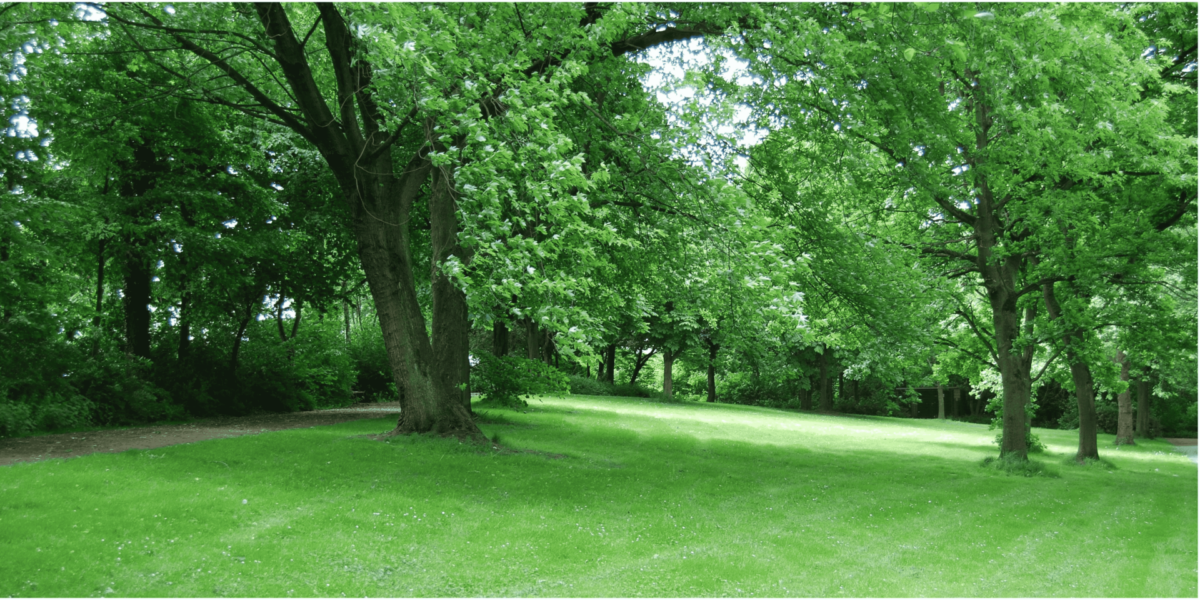
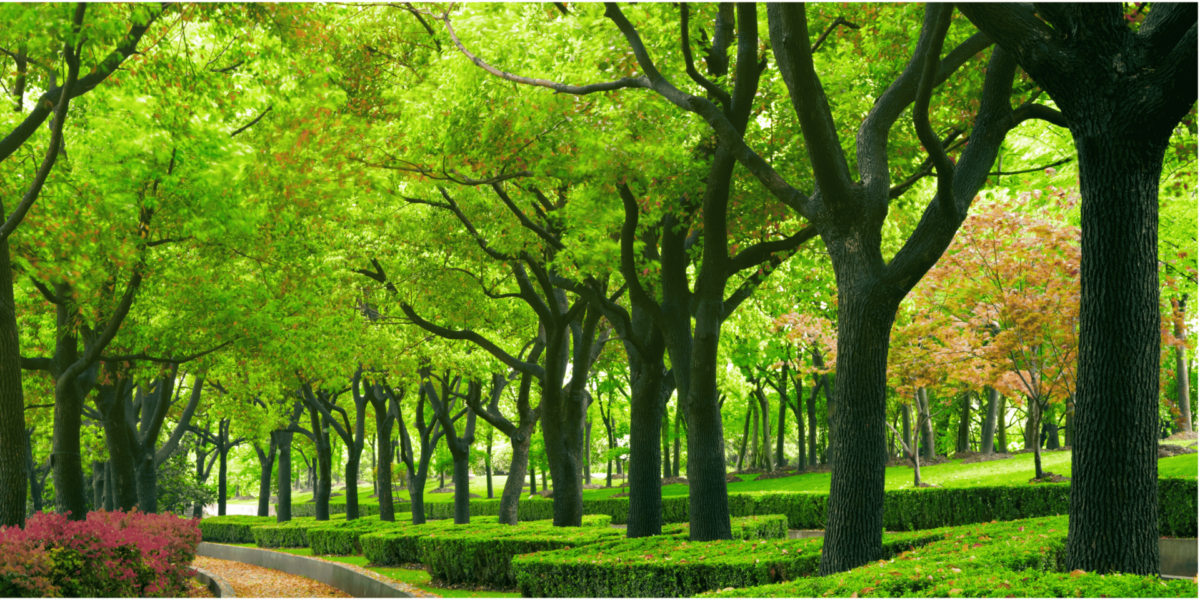
Kviberg’s trail system responds to the seasons, offering different experiences throughout the year. In spring, the route passes budding trees and open flower patches. By summer, shaded forest paths provide a cool break from city heat. Autumn brings color to the birch groves, while winter offers frosty walks along open fields.
A regular visitor experiences the trail differently each month. These seasonal shifts add value to repeated use, giving locals and travelers reasons to return and explore the changing environment without traveling far from the city.
Natural Surroundings Build Mental Focus
The design of Kviberg’s trail promotes attention to the immediate environment. Instead of screen time or multitasking, users engage with real-time input: sounds of wind, sight of trees, and the texture of dirt underfoot. These cues guide the brain toward focus and calm.
People who spend time on the trail often report improved sleep, better stress response, and higher concentration after even short visits. The mix of physical movement and natural immersion supports this response, especially in areas like Kviberg where nature and design work together.
Wildlife Sightings Add Unexpected Interest
Kviberg’s trail passes through ecological zones that support local wildlife. Birds, small mammals, and insects appear along the route, adding motion and detail to the environment. These moments offer short bursts of attention and encourage visitors to slow down and observe.
A family walking the loop may pause when a bird lands on a branch nearby. A cyclist may notice a fox in the distance as they move through an open field. These sightings, while brief, build connection to the space and give each visit a unique memory.
Open Fields Offer Space for Rest and Group Activities
In addition to forest trails, Kviberg Park includes large open fields accessible from the main loop. These spaces provide natural rest points and flexible areas for small groups, sports, or picnic breaks. The transition from tree cover to open landscape gives the trail a balanced rhythm.
A person walking solo may take a break in the field before completing the loop. A group might stop for a snack, light stretches, or casual games. These open areas support both movement and recovery, helping to create a complete recreational experience.
Trail Signage Keeps Visitors Oriented and Informed
Kviberg’s trail system includes clear signage that marks distance, direction, and connection points. These signs help new visitors stay oriented and allow returning users to track progress or plan varied routes. Wayfinding signs are posted at key intersections and trailhead points.
A person arriving for the first time can follow the full loop without confusion. Those with limited time can choose a shorter section and return easily. These design details improve safety and reduce stress, especially for families or individuals unfamiliar with the area.
Trail Access Supports Daily Use by Locals and Tourists
Kviberg’s trails connect directly to nearby public transport, parking areas, and the Kviberg Park Hotel & Conference. This integration makes it easy to access the trail whether walking from home, arriving by tram, or staying overnight in the area.
Someone staying at the hotel can step out of the lobby and start their morning with a trail walk before breakfast. A commuter might stop by the park after work, while weekend tourists may combine a visit to the arena with a loop around the trail. This flexibility allows the space to serve a wide audience.
Kviberg’s Trail System Strengthens Urban Outdoor Culture
Kviberg Park proves that trail systems can thrive inside urban settings. Its design invites daily use without requiring specialized gear, long drives, or advance planning. The blend of forest, field, and structure offers variety and balance that few city parks achieve.
For Gothenburg residents and visitors alike, Kviberg’s loop trail provides a dependable way to stay active, relax, and connect with nature. It’s a reminder that outdoor wellness can begin just minutes from the city center—and that access to nature doesn’t need to feel distant or difficult.