Forest Loops and Open Fields: Discovering Kviberg’s Trail System

Kviberg’s Trail Network Offers Year-Round Outdoor Access

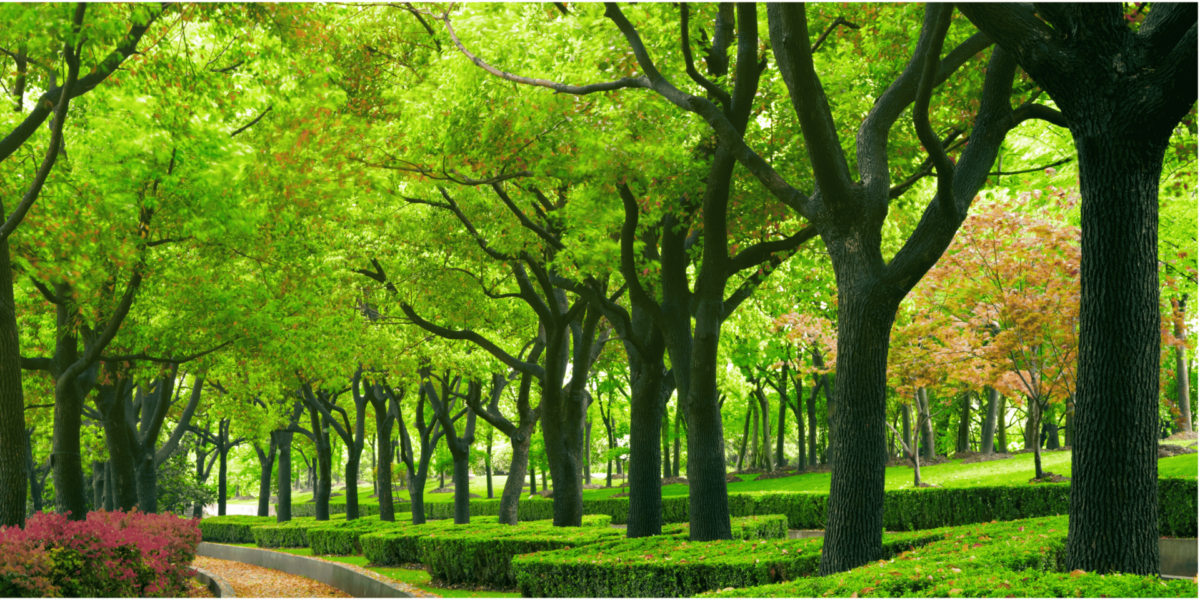
Kviberg Park in Gothenburg features a well-designed trail system that blends natural scenery with accessibility. This 3.4-mile loop trail runs through forests, meadows, and open fields, providing residents and visitors with a peaceful space for outdoor activity.

Whether walking, biking, or jogging, users can move at their own pace through a changing landscape. The route begins near the park’s sports complex and quickly leads into quieter wooded areas, creating a shift from urban energy to natural calm within minutes.

Walking Trails Promote Low-Impact Daily Movement

Kviberg’s trail surface is made for ease and comfort. Compact dirt paths and gravel sections make the route suitable for walkers of all ages. Unlike city sidewalks, the trail offers uninterrupted space to move without stoplights or traffic.

A person walking after work or during a weekend visit can complete the loop in under an hour. The environment supports steady movement and allows time for reflection, deep breathing, or simple observation—an approach that promotes both physical and mental clarity.

Biking Paths Support Safe, Multi-Use Recreation

Kviberg’s loop trail accommodates both casual riders and more experienced cyclists. Wide sections allow bikes and pedestrians to share space safely. The trail’s curves and gentle elevation changes offer variety without increasing difficulty, making it an ideal route for mixed-age groups.

Families often bring children on bike rides through the park, while individual cyclists use the loop for low-intensity training. The predictable surface and absence of street traffic create a safe cycling environment without the noise and unpredictability of city roads.

Seasonal Changes Transform the Trail Experience

Kviberg’s trail system responds to the seasons, offering different experiences throughout the year. In spring, the route passes budding trees and open flower patches. By summer, shaded forest paths provide a cool break from city heat. Autumn brings color to the birch groves, while winter offers frosty walks along open fields.

A regular visitor experiences the trail differently each month. These seasonal shifts add value to repeated use, giving locals and travelers reasons to return and explore the changing environment without traveling far from the city.

Natural Surroundings Build Mental Focus

The design of Kviberg’s trail promotes attention to the immediate environment. Instead of screen time or multitasking, users engage with real-time input: sounds of wind, sight of trees, and the texture of dirt underfoot. These cues guide the brain toward focus and calm.

People who spend time on the trail often report improved sleep, better stress response, and higher concentration after even short visits. The mix of physical movement and natural immersion supports this response, especially in areas like Kviberg where nature and design work together.

Wildlife Sightings Add Unexpected Interest

Kviberg’s trail passes through ecological zones that support local wildlife. Birds, small mammals, and insects appear along the route, adding motion and detail to the environment. These moments offer short bursts of attention and encourage visitors to slow down and observe.

A family walking the loop may pause when a bird lands on a branch nearby. A cyclist may notice a fox in the distance as they move through an open field. These sightings, while brief, build connection to the space and give each visit a unique memory.

Open Fields Offer Space for Rest and Group Activities

In addition to forest trails, Kviberg Park includes large open fields accessible from the main loop. These spaces provide natural rest points and flexible areas for small groups, sports, or picnic breaks. The transition from tree cover to open landscape gives the trail a balanced rhythm.

A person walking solo may take a break in the field before completing the loop. A group might stop for a snack, light stretches, or casual games. These open areas support both movement and recovery, helping to create a complete recreational experience.

Trail Signage Keeps Visitors Oriented and Informed

Kviberg’s trail system includes clear signage that marks distance, direction, and connection points. These signs help new visitors stay oriented and allow returning users to track progress or plan varied routes. Wayfinding signs are posted at key intersections and trailhead points.

A person arriving for the first time can follow the full loop without confusion. Those with limited time can choose a shorter section and return easily. These design details improve safety and reduce stress, especially for families or individuals unfamiliar with the area.

Trail Access Supports Daily Use by Locals and Tourists

Kviberg’s trails connect directly to nearby public transport, parking areas, and the Kviberg Park Hotel & Conference. This integration makes it easy to access the trail whether walking from home, arriving by tram, or staying overnight in the area.

Someone staying at the hotel can step out of the lobby and start their morning with a trail walk before breakfast. A commuter might stop by the park after work, while weekend tourists may combine a visit to the arena with a loop around the trail. This flexibility allows the space to serve a wide audience.

Kviberg’s Trail System Strengthens Urban Outdoor Culture

Kviberg Park proves that trail systems can thrive inside urban settings. Its design invites daily use without requiring specialized gear, long drives, or advance planning. The blend of forest, field, and structure offers variety and balance that few city parks achieve.

For Gothenburg residents and visitors alike, Kviberg’s loop trail provides a dependable way to stay active, relax, and connect with nature. It’s a reminder that outdoor wellness can begin just minutes from the city center—and that access to nature doesn’t need to feel distant or difficult.

Where Play Meets History: A Child’s Day at Kviberg Park

Kviberg Park Blends Playful Exploration with Cultural Heritage

Kviberg Park in Gothenburg offers more than typical playground fun. Its setting within a historic military district turns every visit into an opportunity to engage both body and mind. The park’s layout, inspired by Kviberg’s past, gives children space to play while connecting them with the area’s unique architectural and cultural history.

From the moment children enter the park, they interact with structures modeled after castle-like military buildings. These surroundings do more than decorate the space—they shape how children move, explore, and interpret their environment.

The Castle-Themed Playground Encourages Active Imagination

The park’s central attraction is a castle-themed playground that uses design cues from Kviberg’s historic barracks. Children climb towers, cross rope bridges, and slide from elevated platforms, all designed with safety and accessibility in mind.

Each element invites physical activity while reinforcing a visual link to Gothenburg’s past. The layout creates a space where children don’t just play—they navigate a story told through design. This immersive setup turns movement into a form of discovery, blending physical energy with visual learning.

Play Areas Cater to a Wide Range of Ages and Abilities

Kviberg Park includes multiple play zones, each tailored for different age groups and activity levels. Younger children can use low climbing structures and swings, while older kids can tackle more advanced equipment like ziplines, balance courses, and trampolines.

A realistic family visit involves siblings moving between zones at their own pace. Parents can monitor from nearby benches or join in at various stations. The park’s wide layout allows multiple families to share the space without crowding or long wait times.

Open Fields and Running Trails Support Free-Form Play

Surrounding the playground are open green spaces that support informal games, running, and group activities. These areas are not limited by equipment or programming, allowing children to create their own forms of play.

Children often move from the playground to the open field, where they chase, race, or invent team games. The natural transition between structured and unstructured space gives them the freedom to follow their own rhythm without interruption.

History Comes Alive Through Everyday Exploration

Kviberg’s historical roots are not hidden behind signs or behind glass—they’re integrated into the physical park. Former military buildings now serve as schools, museums, and activity centers. Their presence in the landscape gives children a visible connection to the past.

As children run past these structures, they begin to notice their scale, shape, and differences from modern buildings. These moments prompt questions and conversations with adults, turning a day of play into an informal history lesson grounded in direct experience.

Family Activities Build Shared Memories in a Historic Setting

Kviberg Park supports more than solo play. Families can participate in public group activities on the outdoor fitness stage, join walking tours, or attend small weekend performances. These shared moments strengthen bonds between parents and children while reinforcing community connection.

During a typical visit, families might take part in a group movement session before heading to the playground. These moments provide structure without limiting freedom, allowing children to stay active while parents participate alongside them.

Trail Access Adds Variety to the Play Experience

Kviberg Park features a 3.4-mile loop trail suitable for walking, biking, and jogging. For children with high energy, this trail offers a welcome break from fixed play equipment. The path leads through a mix of forests, meadows, and ecological areas, creating a quieter counterbalance to the busier play zones.

A family may decide to take a break from the playground and explore the trail together. Along the way, children see birds, trees, and open space—elements often missing in urban environments. These observations ground them in the present and introduce new forms of curiosity.

On-Site Amenities Ensure Comfort Throughout the Visit

The park includes restrooms, drinking fountains, shaded seating, and stroller-accessible paths. Located within walking distance of the Kviberg Park Hotel & Conference, the area also provides dining options, making longer visits easier to manage.

A family spending the full day at Kviberg can move between activities with minimal disruption. Whether stopping for a snack or heading inside the Prioritet Serneke Arena for lunch, they remain within a connected environment designed for convenience and comfort.

Seasonal Events Keep the Park Experience Fresh

Kviberg Park hosts regular events such as children’s theater, sports clinics, and themed festivals. These programs often take place near the playground or on the outdoor stage, adding new layers of engagement to the space.

Returning families experience something different each season. Children build a sense of place by watching the park shift throughout the year—from summer games to fall nature walks to winter events inside the arena. This keeps the environment familiar yet interesting, which encourages repeat visits.

Kviberg Park Redefines the Urban Playground Experience

Kviberg Park shows that a playground can offer more than entertainment. By combining physical activity, historical context, and family-centered design, the park creates a layered experience for children. They leave not only tired from climbing and running but also curious about the place they just explored.

This blend of active play and living history helps Kviberg stand out in Gothenburg’s recreational landscape. It shows what happens when public space honors its past while meeting the real needs of families today.

Trails, Trees, and Tranquility: The Outdoor Escape Within the City

Urban Green Spaces Offer a Natural Break from City Life

Modern cities often move at a fast pace. Traffic, screens, and schedules create mental fatigue. Urban green spaces offer an immediate way to step back from this rhythm. These parks, trails, and wooded areas provide calm without requiring long travel or planning.

A well-designed green space lets city dwellers recharge. Walking beneath trees, hearing birds instead of cars, and seeing open sky instead of buildings helps restore focus. These moments of quiet, built right into the city, allow people to reconnect with the environment and their own sense of calm.

Nature Trails Build Physical and Mental Balance

Nature trails within city parks are more than walking routes—they offer movement that restores balance. These paths encourage walking, biking, or jogging at a personal pace. Surfaces are often mixed, including gravel, grass, and packed dirt, which engage the body differently than paved streets.

A person walking a 3-mile loop through forest and meadow areas uses muscles differently, breathes more deeply, and notices their surroundings. Unlike the stop-start of sidewalk navigation, these trails allow continuous movement, which improves focus and supports emotional clarity.

Trees Create a Natural Shield Against Urban Noise

Trees do more than provide shade—they filter out city sounds. Dense tree cover absorbs and deflects noise from nearby roads and buildings. As people move deeper into green spaces, the volume of the outside world fades.

This quiet creates room for thought. Instead of sirens or engines, a visitor hears leaves moving in the wind or footsteps on a dirt trail. The effect is not just pleasant—it supports mental rest, especially for those managing work, school, or high-stress routines in their daily life.

Wildlife Encounters Offer Unexpected Moments of Focus

Urban green areas often support local wildlife. Birds, squirrels, and small mammals move through these parks freely. These animals bring activity to the space that doesn’t come from people or machines. Their presence invites stillness and observation.

A visitor sitting beside a wooded trail might see a bird land nearby or a squirrel run across their path. These moments pull attention away from digital distractions and into the real-time, physical environment. That shift allows the brain to slow down and re-center.

Well-Marked Trails Support Safe, Independent Exploration

Urban trails often include clear signs, distance markers, and maps. This information allows individuals to explore at their own pace without needing help or advanced planning. Paths loop back to central points, making it easy to stay oriented even for first-time visitors.

A person arriving with limited time or unfamiliar with the area can still access the full benefits of a nature walk. With the route marked and the return path visible, visitors feel safer and more willing to let their thoughts settle into the rhythm of the walk.

Trail Networks Link Physical Health With Emotional Recovery

Walking, hiking, or biking regularly improves physical fitness. But these activities also reduce stress, improve mood, and enhance sleep. In urban nature trails, this benefit increases because the body and brain respond differently to green settings than to concrete or indoor environments.

For someone navigating a full day of work or family obligations, an hour on a shaded trail provides more than exercise. It changes the sensory environment—less artificial light, fewer digital interruptions, and more time spent looking far ahead rather than staring at close-range screens.

Outdoor Areas Remain Accessible and Inclusive

Urban nature escapes serve a broad range of people. Trail surfaces often accommodate strollers, wheelchairs, and bikes. Public benches, restrooms, and water fountains extend usability across age and ability groups. This inclusiveness ensures that quiet space remains available to all city residents.

Families visit with young children, older adults walk short sections, and cyclists pass through on longer routes. The shared use strengthens community bonds while maintaining a space where each individual can access quiet or activity on their own terms.

Changing Seasons Create New Experiences Year-Round

One strength of natural spaces is their ability to change without requiring human design updates. A trail visited in spring looks and feels different in autumn. Light shifts, colors change, and plant growth adjusts the shape of the path over time.

These natural changes offer a reason to return often. Regular users gain a deeper connection to the environment as they notice how it shifts through the year. That sense of ongoing relationship with place builds awareness, calm, and presence over time.

Strategic Park Placement Supports Easy Access

Many cities now place green corridors near public transit stops, residential areas, and schools. This planning ensures that nature remains a part of daily life, not just weekend routines. People walk to these areas before or after work, during lunch breaks, or while waiting for public transport.

By designing these connections, cities reduce barriers to entry. A person doesn’t need a car or vacation day to access peace and quiet. It becomes part of daily living, which strengthens long-term public health and community well-being.

Nature in the City Offers More Than Scenery

Urban green spaces—especially those with well-maintained trails, trees, and quiet zones—are not just for aesthetics. They act as living systems that support mental clarity, reduce stress, and increase physical movement. For busy residents, these spaces offer reliable, daily ways to reset.

A walk through a city trail surrounded by trees may seem small, but its impact adds up. Over time, it builds a habit of slowing down, breathing deeply, and observing the world. That habit can support more focused work, more restful sleep, and greater emotional balance.

A Family Day Out in Gothenburg’s Most Playful Park

Kviberg Park Offers a Full-Day Experience for Families

Kviberg Park, located in eastern Gothenburg, stands out as the city’s most engaging family destination. This park blends open green space with hands-on play areas, sports facilities, and safe walking trails—all designed for children and adults to enjoy together.

From the moment families arrive, Kviberg Park presents clearly marked paths, visible activity zones, and clean public facilities. These features allow parents to manage time easily while giving children the freedom to explore a range of playful environments.

Themed Playground Connects History With Play

At the heart of the park, the castle-themed playground invites children to explore Kviberg’s military history through imaginative design. The equipment reflects the area’s architectural legacy, using turret-style towers, drawbridge-style walkways, and stone-textured panels to turn history into active fun.

Children run across rope bridges, scale small towers, and glide down long slides while surrounded by structures modeled after Kviberg’s historic buildings. This setup introduces younger visitors to the park’s unique past while allowing them to stay physically engaged and entertained.

Activity Zones Provide Safe and Varied Options

Beyond the central playground, Kviberg Park offers a wide variety of activity stations. These include trampolines, climbing areas, a hobbyhorse track, and a zipline—all built with child safety and accessibility in mind. Each zone is spread out across a well-designed layout, giving families space to move without crowding.

A realistic family outing includes moving from one zone to the next, with breaks for water, snacks, or short rest periods on shaded benches. Because each area is visible and within walking distance, parents can supervise children easily without needing to rush or change pace.

Group Fitness and Open-Stage Areas Bring Families Together

Kviberg Park features an open-air performance and fitness stage, where scheduled events and group workouts take place. These sessions include light stretching, dance-based exercise, and family-friendly movement classes that appeal to both adults and children.

When weather permits, a public instructor leads families through basic routines in front of the stage. Parents and children move together while music plays in the background, creating a shared experience that blends recreation and bonding.

Nature Trails Support Calm Exploration for All Ages

For families seeking a quieter pace, Kviberg Park includes a 3.4-mile nature trail that winds through forests, open meadows, and ecological zones. This trail is wide enough for strollers and suitable for both walking and biking. It gives families a chance to explore nature without leaving the park.

A family may begin the trail near the playground and end up deep within a grove of birch and pine trees. Along the way, information signs describe the local wildlife and vegetation, offering chances for conversation, learning, and calm observation.

Dining Options Are Convenient and Kid-Friendly

Inside Prioritet Serneke Arena, which borders the park, families can access a casual dining area offering both quick meals and sit-down service. The menu includes child-friendly options and healthy meals suited to active outings. Clean restrooms, baby changing stations, and stroller-friendly access points are located nearby.

A typical visit might include a lunch break at the arena’s Italian-American restaurant, followed by a walk back to the activity zones. The central location of the restaurant ensures families stay within view of the park’s major attractions and facilities.

Hotel Stay Turns the Visit Into a Weekend Escape

Families looking to extend their stay can book a room at Kviberg Park Hotel & Conference, which shares space with the arena. The hotel provides family suites, breakfast buffets, and access to fitness areas and the indoor ski tunnel. This setup makes it easy for families to turn a one-day visit into a two-night getaway.

Guests staying overnight benefit from early access to trails, less crowded play areas, and additional time to enjoy the indoor sports facilities, including weather-proof zones ideal for young athletes or active children.

Public Access and Safety Measures Are Clearly Defined

Kviberg Park prioritizes safety and public access. The grounds are well-maintained, with regular checks on equipment, lighting, and waste collection. Emergency stations and clear signage improve response times and support peace of mind for families exploring the area.

Security staff monitor the park during busy hours, and the layout ensures visibility across most zones. Parents can relax knowing that entrances and exits are limited and clearly marked, reducing the risk of children wandering beyond the designated areas.

Cultural Programs Add Meaningful Variety to the Visit

Kviberg Park regularly hosts family-friendly events such as storytelling sessions, interactive performances, and seasonal fairs. These events take place near the open stage or inside repurposed historic buildings that once served as military halls.

On a typical weekend, families may find a cultural activity scheduled alongside sports events and public workouts. This layering of options allows different members of the family to enjoy activities that match their interests while staying together in a shared space.

Kviberg Park Delivers a Balanced Family Experience

Kviberg Park succeeds in providing a family day out that combines play, learning, and relaxation. Children stay engaged through hands-on activities and movement-based attractions, while adults find convenience, safety, and quiet options throughout the space.

The park’s thoughtful design, along with its support for accessibility, nutrition, and rest, makes it one of Gothenburg’s most complete destinations for family recreation. Whether staying for an afternoon or a full weekend, families leave with a sense of connection—to each other, to nature, and to the local culture.